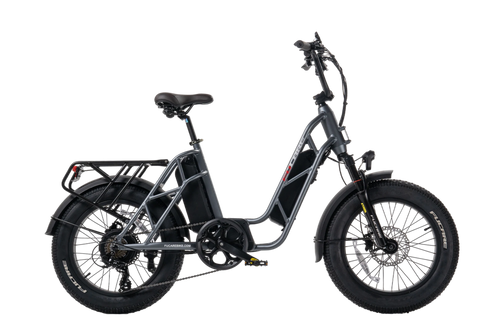
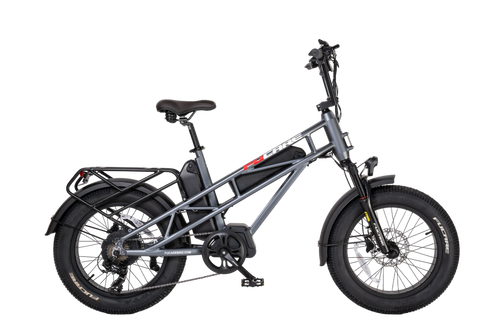
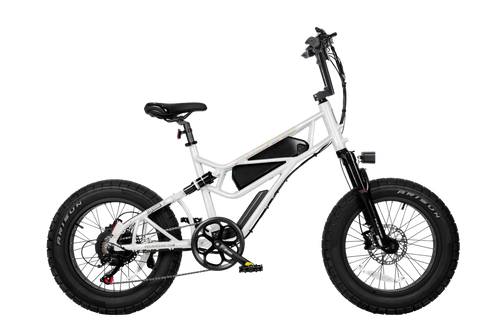




Transitioning from Traditional Bikes to eBikes
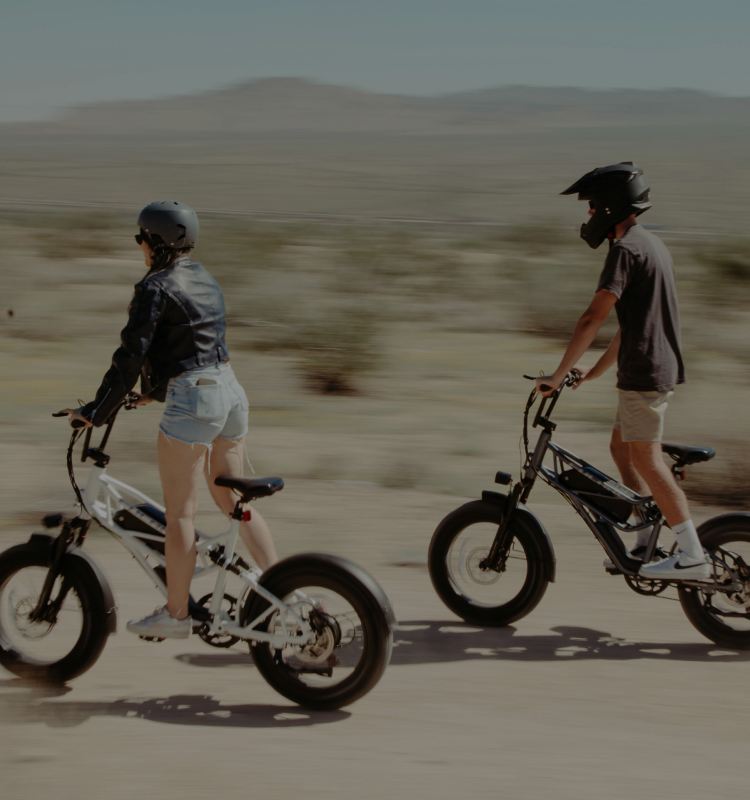
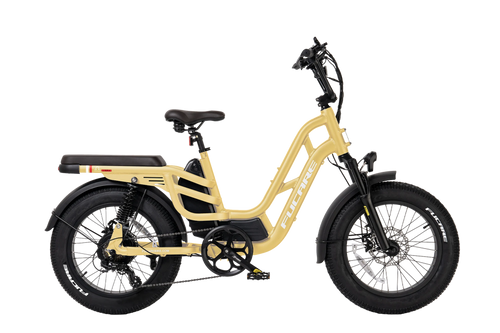
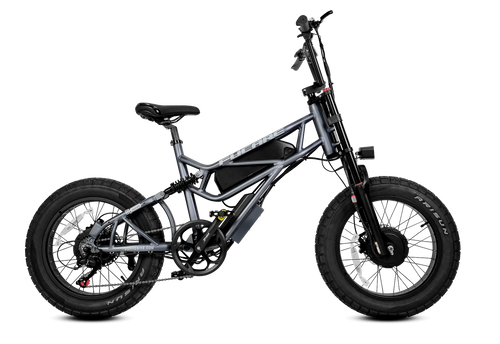
Making the switch from a traditional bicycle to an electric bike (eBike) can be an exciting upgrade, offering a blend of pedal power and electric assist. However, the transition involves adapting to new features and handling characteristics. Here's what you need to know to make the switch smoothly:
Understanding the eBike
Electric Assist: One of the key features of an eBike is its electric assist, which augments your pedaling effort. Familiarize yourself with the different assist levels your eBike offers, usually ranging from minimal to significant assistance.
Weight Difference: eBikes are typically heavier than traditional bikes due to the motor and battery. This affects handling, especially when turning, stopping, and transporting the bike.
Speed Capabilities: With the added power, eBikes can reach higher speeds more easily compared to traditional bikes. Be mindful of your speed, especially in crowded areas.
Riding Your eBike
Start Slow: Begin with the lowest assist setting to get a feel for how your eBike responds to your pedaling. Gradually increase the assist level as you become more comfortable.
Practice Braking: Given the additional weight and potential for higher speeds, practice braking in a safe area to understand how your eBike's stopping distance compares to a traditional bike.
Battery Management: Learn to manage your battery's charge level by monitoring your usage and assist levels, especially on longer rides to avoid running out of power.
Safety Considerations
Wear a Helmet: Just like with traditional bikes, always wear a helmet. Consider additional safety gear, such as reflective clothing and lights, given the higher speeds eBikes can reach.
Follow Traffic Laws: Adhere to the same rules of the road as traditional bicycles. Be especially cautious at intersections and in bike lanes, where other road users might not expect your increased speed.
Be Predictable: Use hand signals when turning or changing lanes, and make eye contact with drivers and pedestrians to ensure they're aware of your movements.
Maintenance and Care
Battery Care: Follow the manufacturer's instructions for charging and storing your eBike's battery to maximize its lifespan.
Regular Checks: Perform regular checks on your eBike's tire pressure, brakes, and chain, similar to a traditional bike but also include the electric components like the motor and connections in your routine.
Professional Servicing: Consider professional servicing for more complex eBike systems, particularly the electrical aspects, to maintain optimal performance and safety.
Conclusion
Transitioning to an electric bicycle introduces a new dimension to cycling, blending the traditional riding experience with the benefits of electric assistance. By starting slowly, familiarizing yourself with the ebike's features, and adhering to safety practices, you'll ensure a smooth and enjoyable transition to the exciting world of electric biking. If you have any questions about ebikes, feel free to contact support@fucarebike.com, and our customer service team will be happy to clarify any doubts. Remember, practice makes perfect, and soon you'll be riding your ebike with the same confidence as a traditional bicycle.
Leave us a message and we will get back to you ASAP!